Mushroom
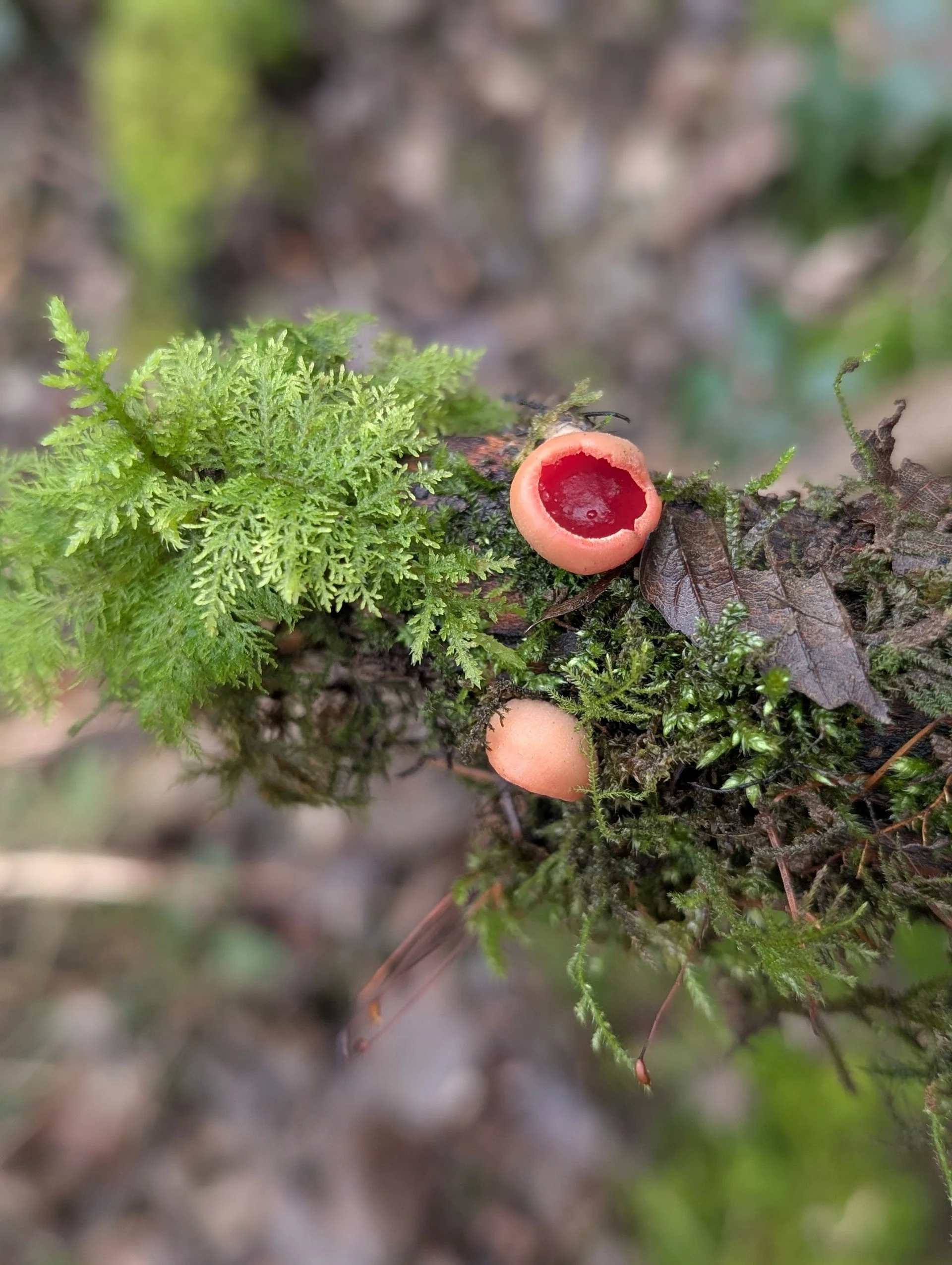
“Do you like mushrooms?”
“No.”
There isn’t much more to ask. We tend to believe them, and the conversation moves on.
Yet if a child says they don’t like mushrooms, another question often follows. “When did you last try them?” “What didn’t you like?”
We seem to leave a little more room around a child’s answer. Perhaps because we know children change.
The things they like change. The things they are frightened of change. We expect to keep finding out who they are.
Perhaps we tried mushrooms ten years ago. Perhaps we tried them hundreds of times before that and we still wouldn’t like them now.
Perhaps nothing has changed. But perhaps something has.
If we like strawberries, we keep eating strawberries. Without really noticing, we keep discovering that we like them, until perhaps, one day, we don’t.
Dislike doesn’t always get the same opportunity.
Once we know we don’t like mushrooms, there isn’t much reason to try them again. So we don’t. The mushrooms stay off the plate.
The experience that gave us the answer becomes more distant, but strangely, the answer itself doesn’t seem to become less certain.
Years can pass without anything happening to make us question it.
“I tried mushrooms and didn’t like them” becomes simply:
“I don’t like mushrooms.”
Somewhere along the way, an experience becomes a description of ourselves.
We notice what we like, what we don’t, what feels easy, what feels uncomfortable, what frightens us, what we seem to be good at, what we would rather avoid.
Slowly, these things become part of what we know. Perhaps many of them are still true.
But I wonder how many of those things we keep discovering.
And how many we simply stopped asking.
